Every semester, 妖姬直播 State University reopens the door to a diploma for students who left college without finishing a degree.
A job opportunity, a family crisis, military service or running out of money 鈥� there are many reasons why students leave college without completing their studies.
妖姬直播 State offers varied pathways to completion for former students, transfer students and current students who may be struggling with their degree programs, providing a personalized and holistic focus on each student鈥檚 success.
Bachelor of Integrative Studies
Over the years, David Odell-Scott, Ph.D., professor of philosophy in the School of Multidisciplinary Social Sciences and Humanities in the College of Arts and Sciences, has seen numerous examples, from football players who left for the NFL to students who changed majors so many times that their credits were in a jumble.
In his role as director of 妖姬直播 State's Integrative Studies Program, Odell-Scott oversees the program that provides students guidance on how to complete a bachelor鈥檚 degree.
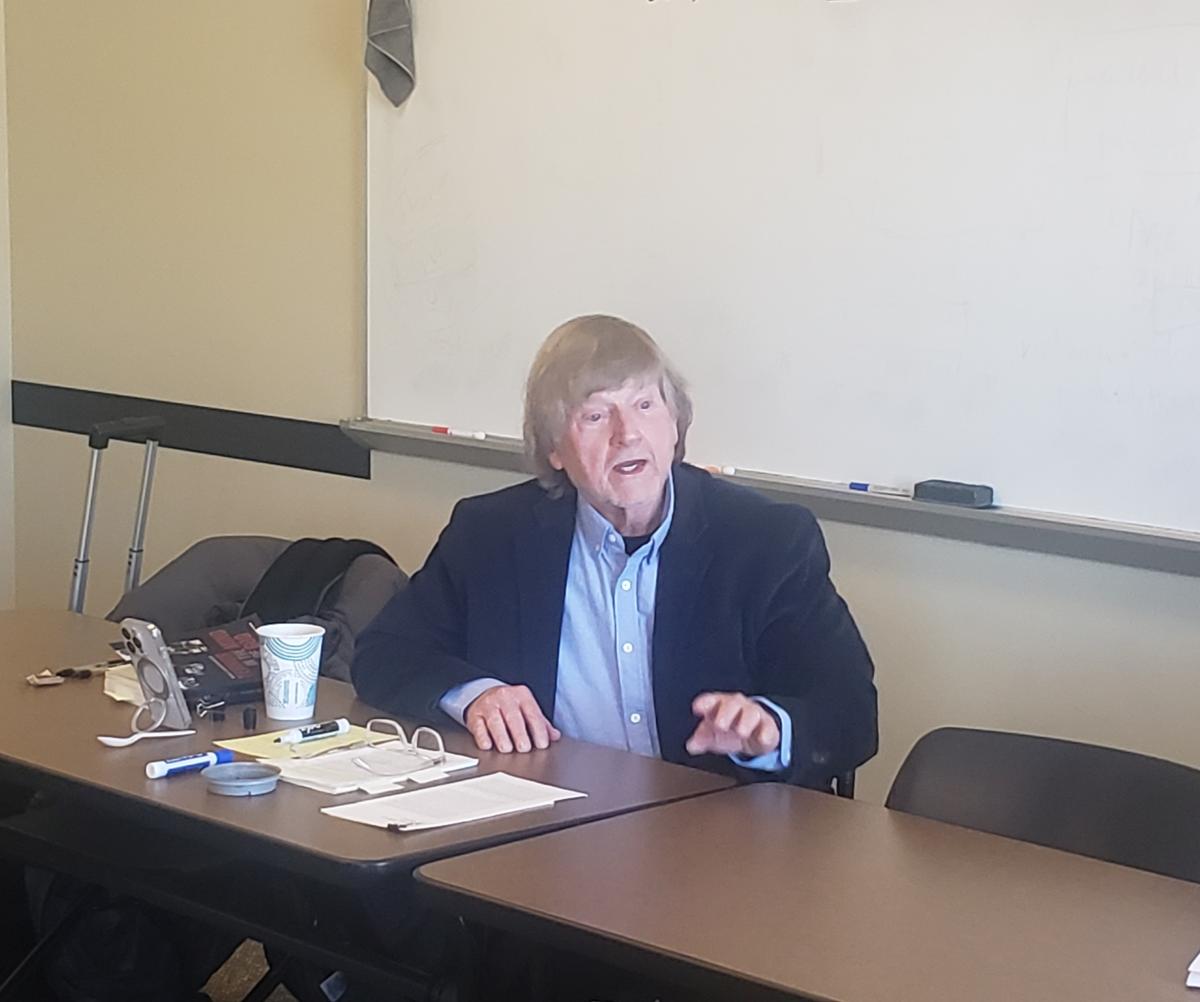
鈥淭his is a means for completing your degree with academic integrity,鈥� Odell-Scott told 妖姬直播 State Today.
In the 12 years since the program鈥檚 inception, approximately 900 bachelor鈥檚 degrees have been awarded to students who otherwise may never have graduated, he said.
But Odell-Scott is adamant: The program isn鈥檛 about finding an easy way to award a diploma. Rather, it is about recognizing the work that a student has done.
In the past, completer programs were known as 鈥渁 general studies degree鈥� when a student had enough credits to graduate, but not necessarily enough courses for a particular program.
Integrative studies is different in that it looks at how the courses legitimately can be melded into a degree, and students are required to complete an intensive senior writing project that illustrates how that combined knowledge comes together.
Odell-Scott helps to make those connections to put students on track to finish a project and a degree.
| Academic Year | Integrative Studies | Integrated Health Sciences | Professional Studies | Educational Studies | Technical & Applied Studies | Total |
|---|---|---|---|---|---|---|
| 2021 | 122 | 31 | 0 | 63 | 70 | 286 |
| 2022 | 92 | 24 | 0 | 81 | 50 | 247 |
| 2023 | 107 | 15 | 0 | 74 | 32 | 228 |
| 2024 | 89 | 18 | 19 | 44 | 26 | 196 |
| 2025 | 86 | 22 | 51 | 6 | 29 | 194 |
Every year, hundreds of students in all phases of life return to 妖姬直播 State to complete a bachelor's degree.
Perhaps one of the most famous program graduates is former New England Patriots wide receiver Julian Edelman, who left campus for the NFL in 2009 but graduated in 2019 with a bachelor of integrative studies degree.

For Odell-Scott, one particular graduate stands out.
鈥淚 had one guy who walked through my door,鈥� he recalled, 鈥滺e was 50-something. And his story was really an essentially common theme. He was finishing his sophomore year as a pre-med major, working part-time at University Hospitals in Cleveland. His father died, and as the oldest child, he had to quit school to work full-time to help support his family.鈥�
鈥淏y the time his younger siblings were out of high school, the man had married and started a family of his own. He came back over the years and always made good grades, but the degree programs changed over the years. I told him: 鈥楲ife happens鈥欌��
By the time he came to Odell-Scott, the student was well-ensconced in a good job at University Hospitals and had worked on a team charged with the development of an online platform for patients to manage their healthcare online. In conversation, Odell-Scott encouraged him to address the issues interrelated to the ethical and legal problems architects of such platforms face in seeking to provide patients with access to their own records through the available technology.
鈥淚 said you鈥檙e working across multiple disciplines here,鈥� he said. 鈥淗e wrote me a 60-page paper that ended up being the white paper for the team he was working with.鈥�
鈥淲e show them a pathway,鈥� Odell-Scott said. 鈥淵ou can achieve academic integrity in any pursuit.鈥�
Bachelor of Professional Studies
The College of Education, Health and Human Services has seen equal success with its professional studies degree, which is overseen by Jennifer Ray-Tomasek, Ph.D., assistant professor and professional studies program coordinator in the School of Foundations, Leadership and Administration.
The degree, formerly known as educational studies, has been around for many years. The program was started as a path to graduation for education majors who embarked on their student teaching and realized the classroom wasn鈥檛 for them. In 2023, the name was changed to professional studies to reflect how the program had expanded to many majors outside of education.
The online program serves a variety of students in all phases of their educational careers.
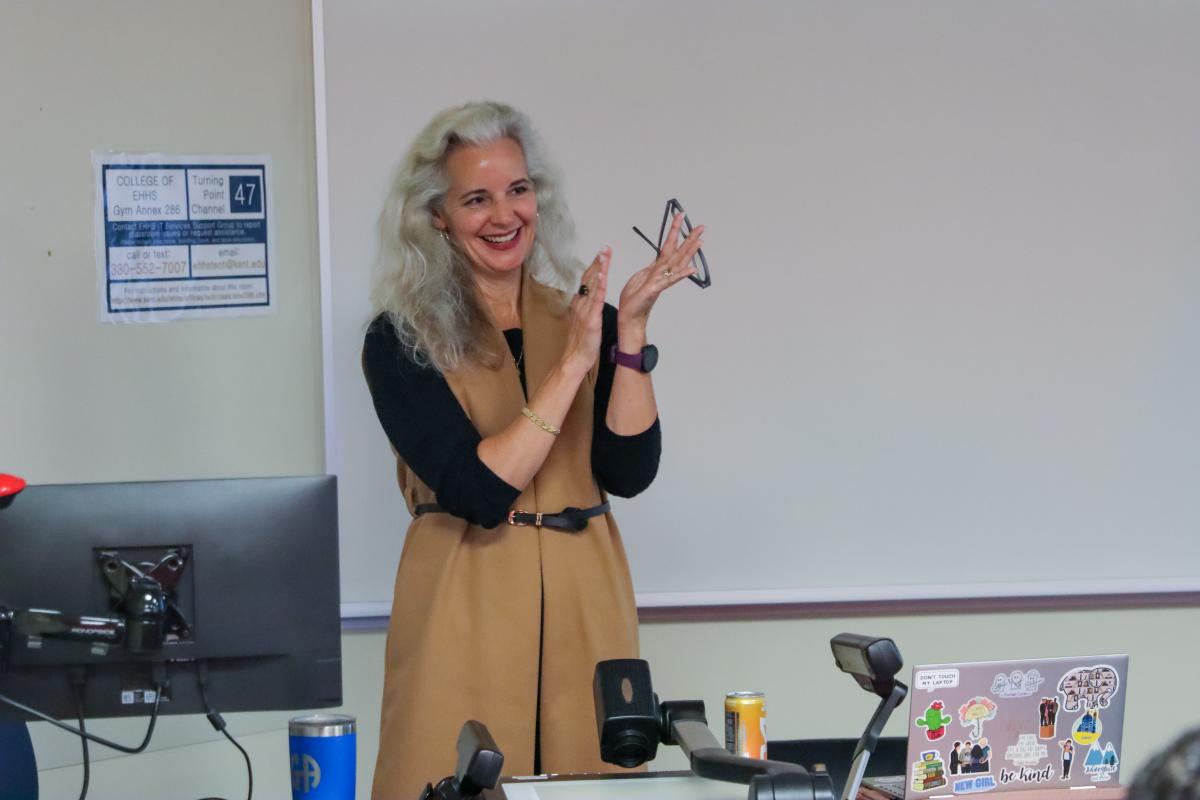
Within the college, a similar program, integrated health studies, offers a similar pathway to completion for those in the health sciences, said Laurie Wagner, Ph.D., associate professor and program coordinator for health education and integrated health studies.
Integrated health studies also offers current students flexibility in crafting a degree program in health sciences that is specialized for their interests and needs, Wagner said.
Ray-Tomasek recently received several transfer students from Notre Dame College in Cleveland when it closed.
鈥淧rofessional studies was absolutely a good option for them,鈥� she said.
Ray-Tomasek has seen transfer students complete the program in just one semester, which makes it a cost-effective route to a diploma.
She is currently working with a student who attended 妖姬直播 State 15 years ago, but left without completing his degree, who hopes to enroll from his home in Saudi Arabia. 鈥淭hey literally can come from all over the world,鈥� she said.
A retirement degree
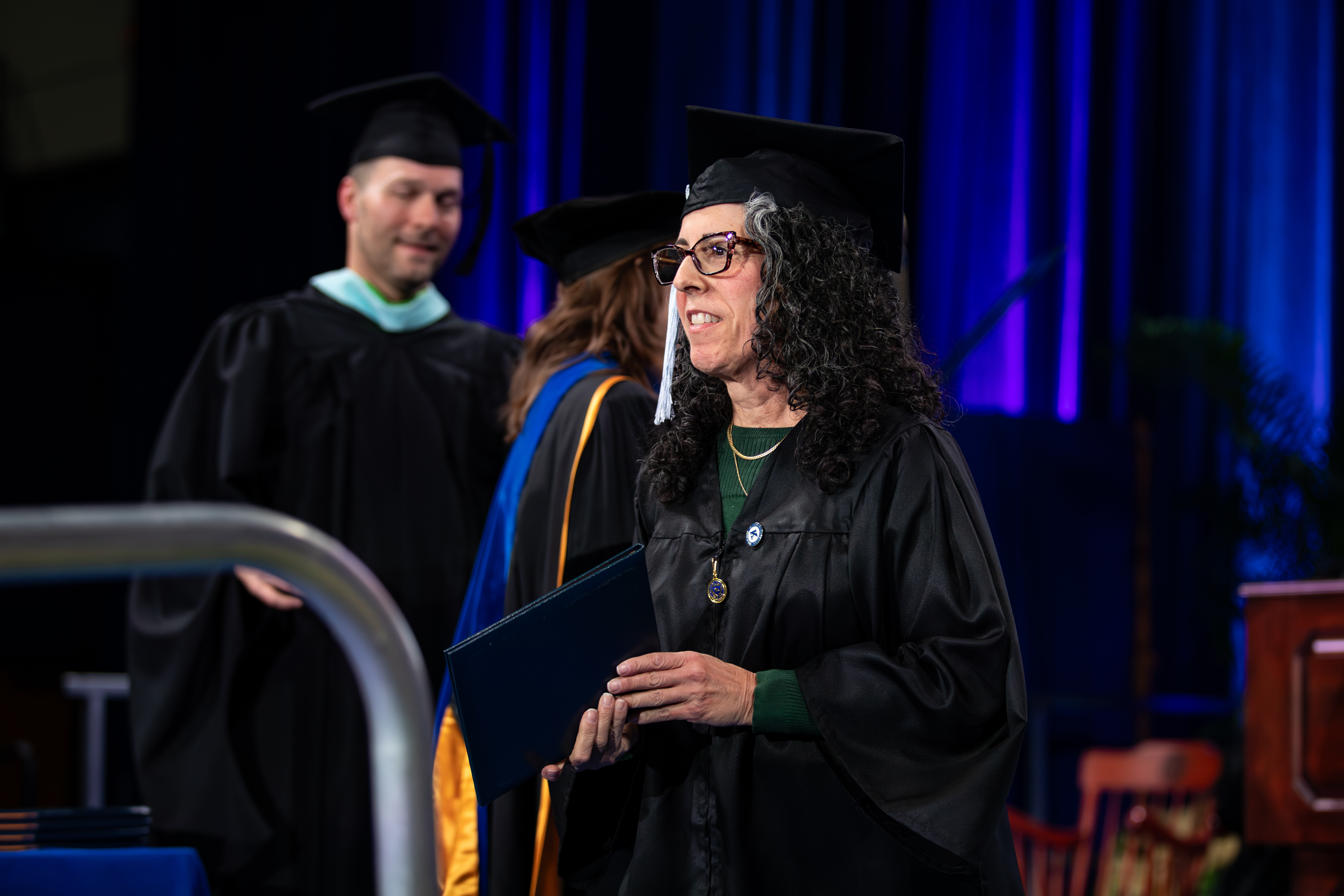
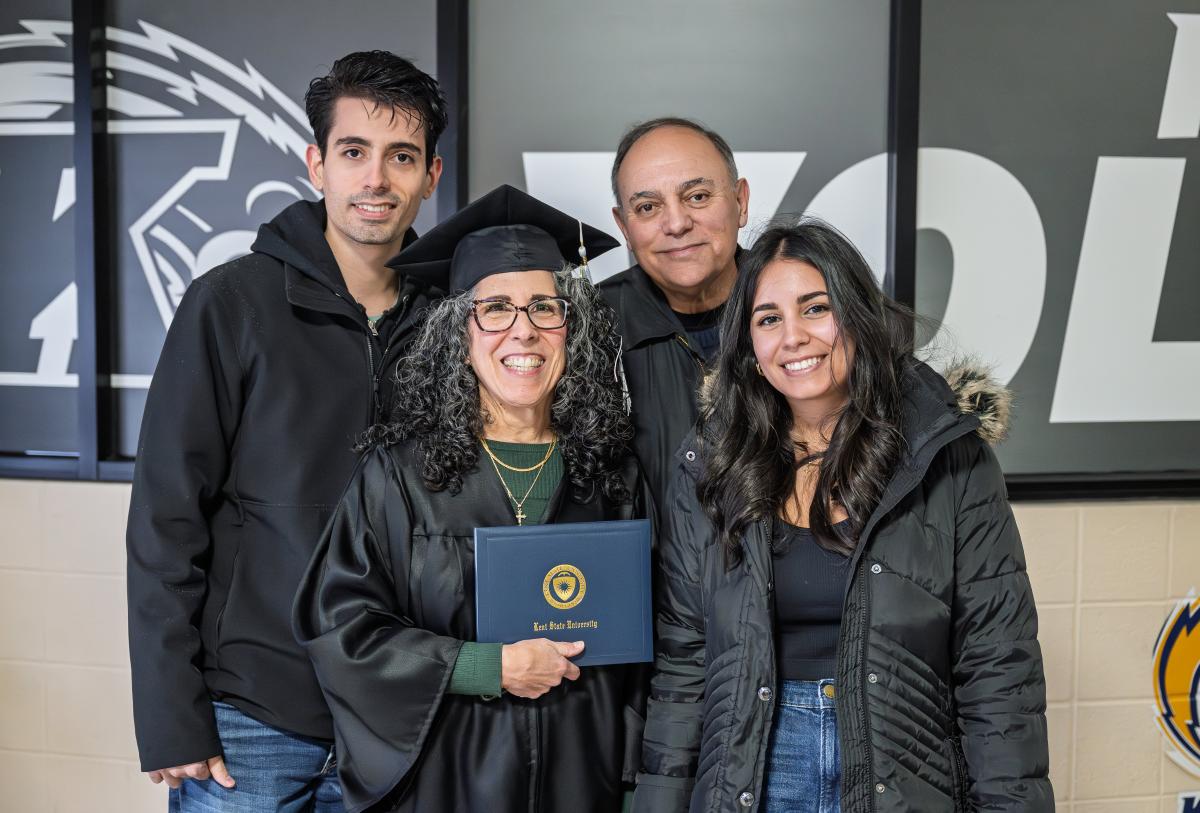
In December 2025, Linda Putaturo celebrated her 60th birthday and five days later crossed the stage to receive her bachelor鈥檚 degree in professional studies. In the 1980s, Putaturo earned an associate degree in business administration and worked for Goodyear Tire and Rubber Company in Akron, Ohio, but left the workforce for 17 years to stay home and raise her children. Ten years ago, she was hired by 妖姬直播 City Schools as an administrative assistant.
When Putaturo began thinking about what she might want to do in retirement, she decided to enroll in the professional studies program at 妖姬直播 State.
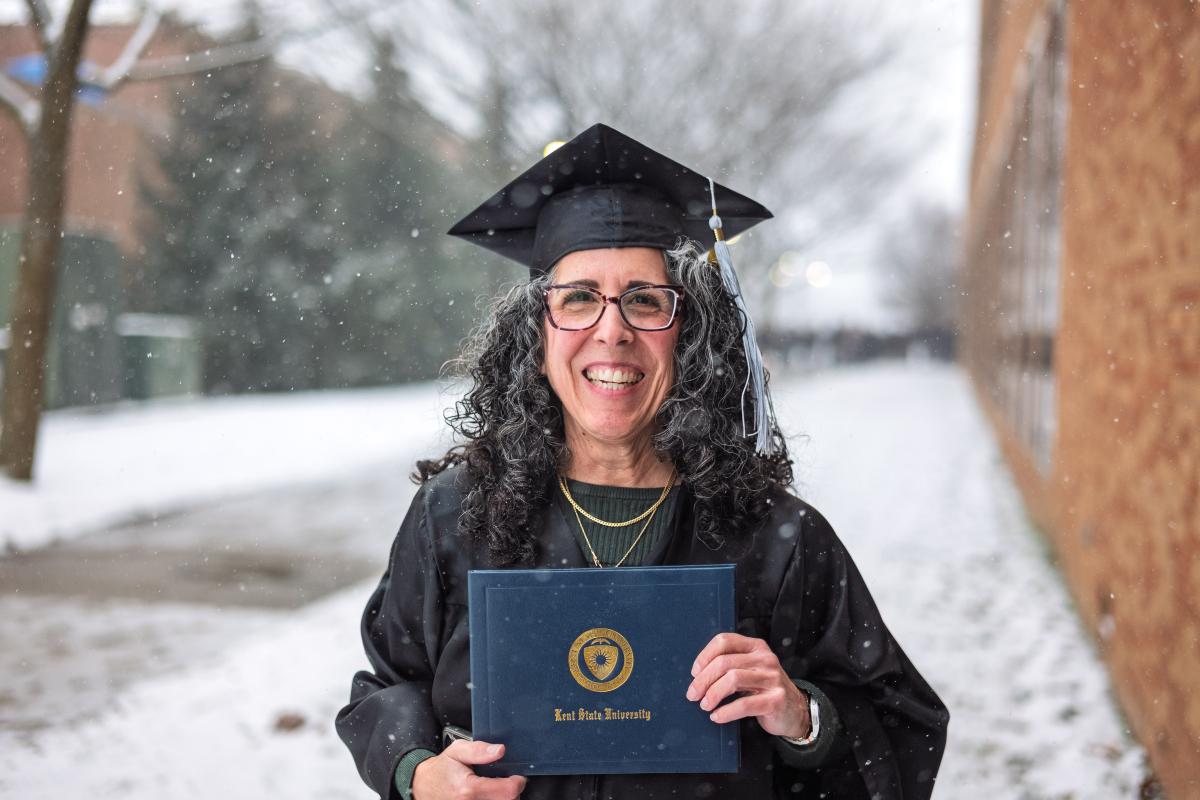
鈥淚 realized that I would like to work with kids, but not necessarily as a classroom teacher, but more as a support person, a tutor,鈥� she said. 鈥淪o, I thought it would be better if I had a bachelor鈥檚 degree.鈥�
With her bachelor鈥檚 degree now in hand, Putaturo can now apply for a substitute teacher license, work she also hopes to pursue in retirement.
Heading back to college was a big change since the 1980s, but Putaturo said most of her credits from her associate degree transferred, and 妖姬直播 State made the process easy.
鈥淓veryone there was very supportive,鈥� she said.
The process took her three years because she chose to attend part-time, and also pursued a minor in psychology, taking one or two classes per semester.
鈥淚t worked very well for me. It鈥檚 very flexible,鈥� she said. 鈥淚 liked that I could pick and choose classes that were of interest to me and that I would find beneficial to what my future goals are.鈥�
With her graduation, Putaturo also completes her family of graduates 鈥� and her children and husband earned their degrees from 妖姬直播 State.
Degree = Better Job
On average, 80 to 100 students are enrolled in the professional studies program at any given time, with about 30 receiving their bachelor鈥檚 degrees each semester, Ray-Tomasek noted.
Most students who enter a completer program have at least 60 credits and many have 100 or more, making the degree attainable in a year.
That鈥檚 the case for Betsy Banks, who attended 妖姬直播 State in the 1990s but left one semester before earning her degree. 鈥淢y departure from college resulted from inadequate support and experiences with racism on campus, which created an environment where success felt unattainable at the time,鈥� she said.
Over the years, Banks had well-paying jobs and raised five children, but when she lost her job at age 54, she realized that not having a diploma was becoming a problem.
鈥淓very time I鈥檇 go for a job, even though my r茅sum茅 says I鈥檓 qualified, I was not qualified because I didn鈥檛 have a bachelor鈥檚 degree,鈥� Banks said.
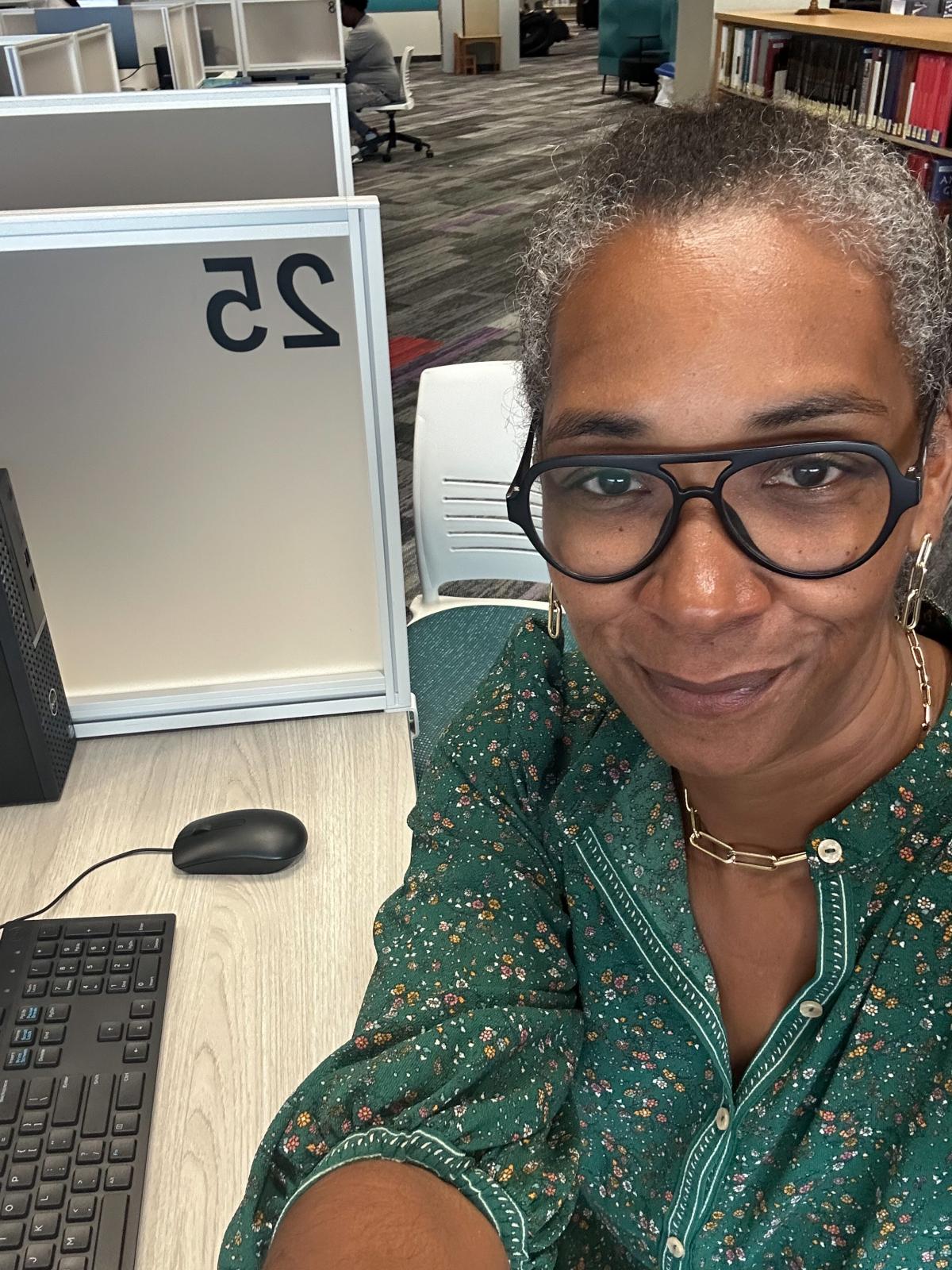
But Banks was also trying to reclaim a deferred dream. 鈥淢y father invested in my education, and completing this degree represents a long-standing family goal,鈥� she said. 鈥淚 will be the first among my siblings to graduate, and as a first-generation student who left and returned, this achievement is an honor.鈥�
Banks returned to 妖姬直播 State鈥檚 professional studies degree program in the fall of 2025 and expects to graduate in the spring of 2026 after just one year. Now, she鈥檚 thinking about graduate school once she鈥檚 done and is interested in pursuing a career as an academic counselor, where she can draw from her own experience 鈥渢o support students who feel disconnected or unsupported.鈥�
Bachelor of Technical and Applied Studies
Carolyn Carvalho said a better job or a promotion are common reasons 妖姬直播 State鈥檚 Regional Campus system sees students returning to complete a bachelor's degree, and the technical and applied studies degree offers an efficient program that can be tailored to the student鈥檚 particular needs.
鈥淭he program is set up for someone who already has college credit, or an associate degree, who wants to get a bachelor鈥檚 degree as soon as possible,鈥� said Carvalho, a senior lecturer at 妖姬直播 State University at Ashtabula, and lead faculty for the program.
The program also offers specializations so that students can take courses in areas where they know their professional skills need improvement, such as communications or information technology, she said.
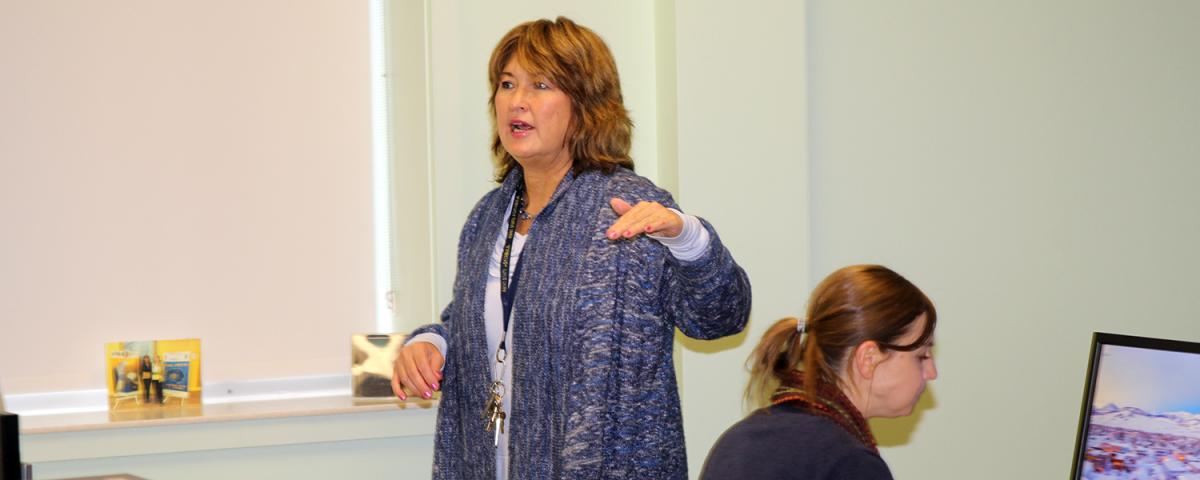
鈥淚 have a lot of students who need that piece of paper to advance in their position at work. They have to have a bachelor's degree to be able to get a promotion,鈥� Carvalho said.
The students can also take courses that result in an industry program certificate, such as cybersecurity through IT courses, which also boosts their r茅sum茅.
鈥淢ore employers are asking for certifications on top of the degree because it鈥檚 just another way that employers can measure what their skillset is coming in,鈥� she said.
Carvalho said the degree program is embraced by students in all study areas.
鈥淲e have a range of students in so many different professions with differing career goals,鈥� she said. 鈥淏asically, the world is their oyster.鈥�
Additional photos and video submitted by Betsy Banks, Lisa Abraham and 妖姬直播 State Ashtabula.
